How to Become an Incentivized Reviewer: A Step-by-Step Guide
Become an incentivized reviewer: get free products from Amazon Vine, Influenster & BzzAgent. Step-by-step guide to eligibility, FTC rules & top programs.
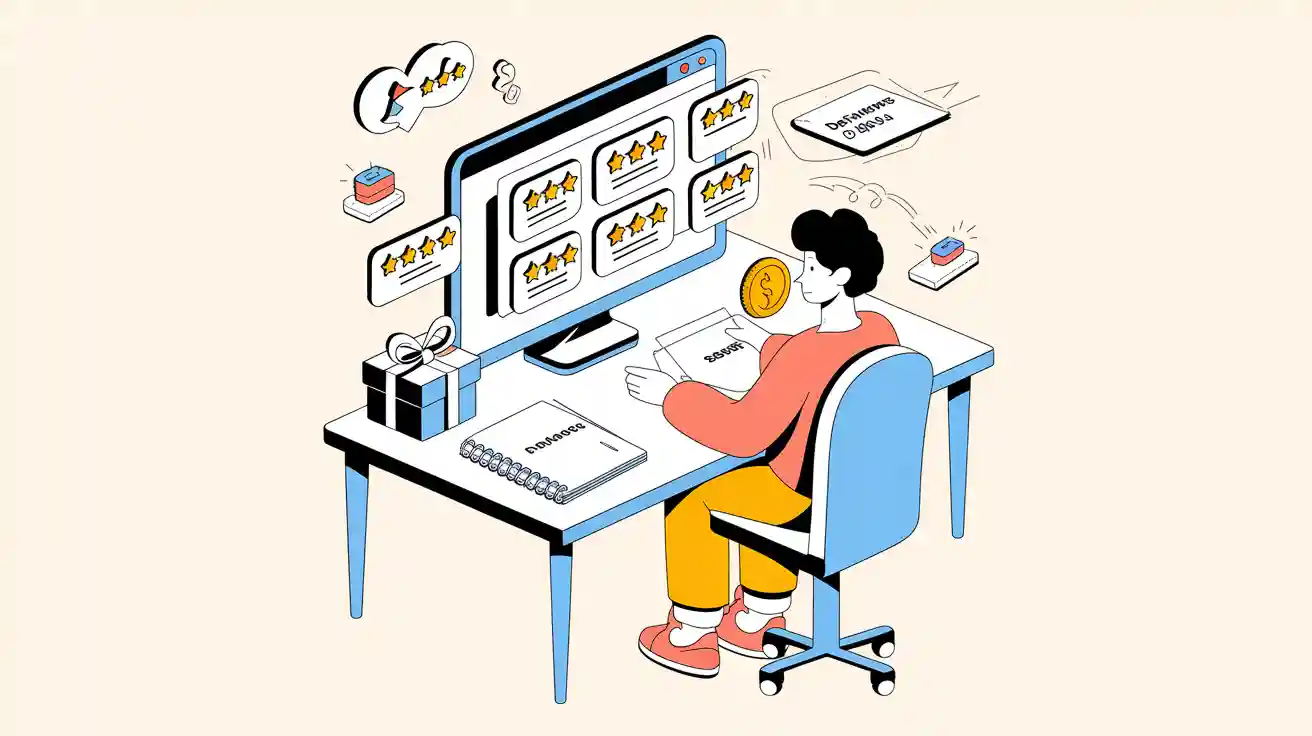
Becoming an incentivized reviewer means joining programs where businesses reward you — with free products, discounts, gift cards, or loyalty points — in exchange for your honest feedback. These programs benefit both sides: companies get detailed, authentic opinions from real users, and reviewers receive perks they actually value. If you have ever left a review on Amazon, Google, or Yelp and wondered how some reviewers get those "I received this product at a discount" disclaimers, this guide explains exactly how they got there.
Key Takeaways
- Incentivized reviewer programs include Amazon Vine, brand ambassador clubs, product-testing platforms, and retailer loyalty programs.
- The biggest factor in getting accepted is your existing review history — quality, consistency, and helpfulness count more than follower counts for most programs.
- The FTC requires you to disclose any material connection (free product, discount, payment) in every review you write.
- You do not need a social media following to start; most product-testing platforms evaluate your written reviews directly.
- Experienced incentivized reviewers can receive $50–$500+ worth of free products per month across multiple programs.
- HiFiveStar helps businesses run compliant incentivized review programs, so understanding reviewer programs helps you recognize and participate in legitimate ones.
What Is an Incentivized Reviewer?
An incentivized reviewer is someone who receives a reward in exchange for providing feedback on a product or service. The reward can take many forms — a free sample, a percentage off your next purchase, loyalty points, early product access, or a sweepstakes entry. What makes a reviewer "incentivized" is the material connection between writing the review and receiving something of value.
This is distinct from a paid reviewer (who receives cash specifically for a positive review, which is illegal under FTC rules) or an organic reviewer (who shares feedback with no reward at all). Incentivized reviews occupy a legitimate middle ground — they are allowed by law and by most platforms as long as you disclose the connection clearly.
Studies show incentivized reviews tend to be 83% longer than organic reviews and are rated as more helpful by readers, because reviewers who receive free samples have more time and motivation to test the product thoroughly.
Do this on autopilot
HiFiveStar answers every review in your voice — so your profile always looks cared for.
Types of Incentivized Reviewer Programs
Before you can become an incentivized reviewer, it helps to know which types of programs exist. Each has different requirements and different rewards.
Amazon Vine
Amazon Vine is the most well-known incentivized reviewer program. Amazon invites top reviewers based on their Reviewer Rank — a score calculated from the helpfulness votes their existing reviews have received. Vine members receive free products from enrolled sellers and are expected to submit honest reviews within a set timeframe.
- Who qualifies: Reviewers with high helpfulness scores on Amazon, typically built over months or years of consistent reviewing.
- How you are invited: Amazon sends invitations directly; you cannot apply.
- What you receive: Free products across almost every category — electronics, kitchen goods, books, beauty, and more.
- Disclosure: Amazon automatically labels Vine reviews with a green badge that reads "Vine Customer Review of Free Product."
Brand Ambassador and Product-Testing Platforms
Beyond Amazon, dozens of platforms connect reviewers with brands. These are often called product-testing clubs, sampling programs, or brand ambassador networks.
Popular platforms include:
| Platform | How It Works | Main Reward |
|---|---|---|
| Influenster | Apply for VoxBoxes via profile matches | Free product boxes |
| BzzAgent | Complete campaigns, share feedback | Free products, gift cards |
| Toluna | Complete surveys and product trials | Points redeemable for rewards |
| SampleSource | Request samples, submit short reviews | Free samples |
| Brandbacker | Apply to brand campaigns | Free products, commission |
| Home Tester Club | Enter draws, test household products | Free products |
| Smiley360 | Campaign-based product missions | Free products |
| PINCHme | Weekly sample Tuesday claim system | Free samples |
| Social Nature | Natural and organic product testing | Free natural products |
| Trnd | Community-based product missions | Free products, campaign rewards |
Local Review Platforms: Google Local Guides, Yelp Elite, and Tripadvisor
Beyond product-testing, local service review platforms also run structured incentive programs for prolific reviewers.
Google Local Guides is Google's program for people who contribute reviews, photos, and business information to Google Maps. Participants earn points for every contribution, unlock program perks at higher levels (Levels 4–10), and receive early access to Google features, exclusive events, and occasional branded merchandise. To qualify for Level 4+ benefits, you typically need 200+ total contributions including detailed written reviews with photos.
Yelp Elite Squad is Yelp's invitation-based recognition program for top reviewers. Elite members receive invitations to free local events (restaurant tastings, venue previews, product launches), early access to new Yelp features, and recognition badges on their profiles. Getting into Yelp Elite requires writing detailed, well-photographed reviews consistently — typically 50–100+ reviews with high quality scores before an invitation arrives.
Tripadvisor Top Contributors earn periodic thank-you packages from Tripadvisor when they reach high contribution milestones, plus a "Top Contributor" badge displayed on their profile. The program is less formal than Vine or Yelp Elite, but active hotel and restaurant reviewers with 500+ contributions have reported receiving branded merchandise and recognition perks directly from Tripadvisor.
Retailer Loyalty and Review Programs
Many retailers run their own reviewer incentive programs:
- Sephora Beauty Insider: Members can receive samples in exchange for detailed product reviews.
- Target Circle Reviews: Loyalty members earn points for verified purchase reviews.
- Costco Member Reviews: Verified purchasers are sometimes invited to test new products.
- Best Buy Review Program: Verified buyers receive post-purchase review invitations, sometimes with reward points.
- Walmart Spark Reviewer: Selected Walmart customers receive free products to test and review through the Spark Reviewer program.
Direct Brand Outreach
As your reviewer profile grows, brands may reach out to you directly — especially if you write consistently in a niche. Home goods, pet products, health supplements, and tech accessories are high-volume categories where brands actively seek experienced reviewers.
How to Become an Incentivized Reviewer: Step-by-Step
Step 1 — Build a Strong Review History
Every major program evaluates your existing reviews first. A sparse profile will not get you into Amazon Vine, and most product-testing platforms match you to campaigns based on your category experience.
How to build your review history:
- Start reviewing products you already own — electronics, kitchen appliances, books, clothing.
- Write detailed, specific reviews. Instead of "Great product, love it," write what you tested, how it performed, and who it is best suited for.
- Add photos whenever possible. Reviews with images get significantly more helpfulness votes.
- Be honest. A mix of 3-star and 5-star reviews shows authenticity; all 5-star reviews look suspicious.
- Respond to helpfulness votes. Engage with comments on your reviews when platforms allow.
Aim for at least 25–50 high-quality reviews before applying to most programs.
Step 2 — Choose the Right Platforms
Different programs suit different reviewer types:
- Writers and detail-oriented reviewers do well on Amazon and Influenster.
- Social media users should look at Brandbacker and BzzAgent, which reward sharing.
- Budget-focused reviewers who primarily shop at specific retailers should prioritize that retailer's own program.
- Local experience reviewers (restaurants, hotels, services) should target Yelp Elite or Google Local Guides.
- Niche experts (cooking, fitness, gardening) should find platforms with matching category focus.
Start with two or three platforms rather than spreading yourself thin across a dozen.
Step 3 — Complete Your Profile Thoroughly
Product-testing platforms match reviewers to products based on demographics, interests, and purchasing habits. An incomplete profile means fewer and worse matches.
Profile elements that matter most:
- Age range and household composition (especially important for family and home products)
- Shopping categories you are most active in
- Social media accounts (even small followings help on some platforms)
- Past purchase history where relevant
- Dietary preferences, pet ownership, or lifestyle factors specific to the platform
Step 4 — Apply to Campaigns Actively
Most platforms do not automatically assign you products — you apply to specific campaigns or enter selection pools. Check your dashboard regularly and apply to relevant campaigns quickly, since high-demand products fill fast.
Tips for strong applications:
- Write a brief, specific note about why this product fits your life. "I cook three family dinners a week and test new kitchen gadgets regularly" beats "I like cooking."
- Mention your review history and platform activity.
- If the platform shows previous reviews, link to your best ones.
Step 5 — Write Reviews That Get Noticed
Once you receive a product, the quality of your review determines whether you get invited back.
A strong incentivized review includes:
- A clear description of how you used the product and for how long before reviewing
- Specific pros and cons (not just praise)
- Comparison to similar products you have used
- Photos or video where applicable
- The disclosure statement (required by law — see below)
Brands and platforms track reviewer performance. High-quality, helpful reviews lead to more invitations; padded, short, or suspiciously positive reviews get reviewers removed from programs.
Step 6 — Disclose Every Time
This is not optional. The FTC requires you to disclose any material connection — including a free product — in every review you publish. Failing to do so can expose you to FTC enforcement, and most platforms will remove you for non-disclosure.
What disclosure looks like:
- "I received this product for free in exchange for my honest review."
- "Disclaimer: This product was provided to me at no cost by [Brand] through [Platform]."
- On social media: use #ad, #sponsored, or #gifted clearly and prominently.
Disclosure must be in the review itself, not buried in a bio or a separate post. It must be placed where readers will see it before they read the review — typically at the top.
What Programs Look For: Eligibility Factors
Understanding what programs evaluate helps you improve your chances of acceptance.
| Factor | Why It Matters | How to Improve |
|---|---|---|
| Review count | Shows consistency and commitment | Write reviews for products you already own |
| Helpfulness votes | Measures reader value | Include detail, photos, comparisons |
| Review variety | Shows authentic purchasing behavior | Review across multiple categories |
| Account age | Older accounts signal genuine users | Start building your profile now |
| Social media reach | Amplifies brand visibility | Optional for most programs, valued by some |
| Niche expertise | Increases match rate for specialized products | Write consistently in a category you know well |
| Response rate | Shows reliability | Always submit reviews when you receive samples |
How Much Can You Earn as an Incentivized Reviewer?
Most incentivized reviewer programs reward you with products rather than cash. The value of what you receive depends on how active you are, which programs you join, and how specialized your niche is.
Here is a realistic breakdown of what experienced reviewers receive across different program types:
| Program Type | Monthly Product Value (Beginner) | Monthly Product Value (Experienced) |
|---|---|---|
| Amazon Vine | $0 (invite-only) | $200–$2,000+ |
| Influenster VoxBoxes | $10–$30 | $50–$150 |
| BzzAgent campaigns | $10–$40 | $40–$200 |
| Yelp Elite events | 2–4 free events/year | 6–12+ free events/year |
| Direct brand outreach | $20–$50 | $100–$500+ |
| Retailer loyalty programs | $5–$20 in points | $20–$100 in points |
Important caveats:
- Amazon Vine products are taxable income in the United States. If you receive more than $600 worth of Vine products in a calendar year, you must report this to the IRS.
- Product value varies enormously by category — electronics campaigns may send a $300 item while beauty campaigns send a $12 moisturizer.
- Cash payments are rare in legitimate incentivized review programs. If a program offers cash specifically for positive reviews, that violates FTC rules and platform policies.
What you should realistically expect in year one:
Most people who start building their reviewer profile from scratch can expect to receive 3–8 sample products per month from platforms like Influenster and BzzAgent within three to six months of active participation. Yelp Elite invitations typically come after six to twelve months of consistent, high-quality reviewing. Amazon Vine invitations are the longest path — many reviewers wait one to three years before receiving an invitation.
Getting Started Checklist
Use this checklist for your first 30 days as an incentivized reviewer:
Week 1: Build your foundation
- Review 10 products you already own on Amazon, Google, or a retailer site
- Add photos to at least 5 of those reviews
- Create accounts on Influenster and BzzAgent
- Complete your demographic profile on both platforms fully (100%)
Week 2: Expand your presence
- Write 5 more reviews, focusing on a consistent niche (home, tech, beauty, etc.)
- Join Home Tester Club and PINCHme and complete those profiles
- Opt in to Google Local Guides if you eat at restaurants or visit local businesses
Week 3: Start applying
- Apply to at least 3 active campaigns on BzzAgent and Influenster
- Check your retailer accounts (Target, Best Buy, Walmart) for review invitation emails
- Write your first Yelp review with photos for a restaurant or service you have recently used
Week 4: Track and refine
- Build a simple tracking spreadsheet for your reviews and applications
- Note which types of reviews generate the most engagement
- Apply to 5 more campaigns on any platform you have been active on
FTC Rules Every Incentivized Reviewer Must Know
The Federal Trade Commission's Endorsement Guides apply to any reviewer who receives something of value in exchange for a review — even a free sample worth a few dollars.
Key rules for incentivized reviewers:
- Always disclose. Any time you receive a free product, discount, payment, or other benefit, you must disclose it clearly in the review.
- Disclose every time. Even if you reviewed for the same brand before, each individual review requires its own disclosure.
- Placement matters. The disclosure must be prominent. Putting it at the bottom in small text after a long glowing review does not satisfy the requirement.
- Discounts count. Receiving a product at a significant discount — not just for free — is also a material connection that requires disclosure.
- Honest opinions only. The FTC prohibits giving or receiving incentives conditioned on a positive review. You must be free to share your genuine experience, including negative aspects.
Violations can result in fines of up to $51,744 per violation. The FTC also holds platforms responsible for reviewer programs that systematically suppress negative reviews or fail to ensure disclosure.
Building Your Reputation as an Incentivized Reviewer
The reviewers who get the most opportunities are those who build a genuine reputation for helpful, honest feedback. Here is how to stand out over time.
Focus on Quality Over Volume
Five excellent, detailed reviews will do more for your reviewer rank than fifty brief ones. Reviewers who consistently produce helpful content get surfaced by platform algorithms and noted by brand managers monitoring their campaigns.
Specialize in a Category
Becoming a go-to reviewer for a specific niche — kitchen gadgets, pet supplies, outdoor gear, baby products — makes you more valuable to brands in that space. A reviewer with 200 reviews of kitchen products is more appealing to a cookware brand than a general reviewer with 500 reviews across all categories.
Track Your Reviews
Keep a simple spreadsheet listing:
- Product name and brand
- Platform where you reviewed
- Date submitted
- Disclosure language used
- Link to the published review
This protects you if a platform disputes your compliance and helps you see which types of products generate the most engagement.
Be Reliable
Platforms track whether reviewers actually submit reviews after receiving products. A low submission rate will get you removed from programs quickly. If you accept a sample, commit to writing the review — even if the product turns out to be disappointing (which is useful feedback for the brand and future buyers).
How HiFiveStar Connects to Incentivized Review Programs
If you review products for small businesses, those businesses often use review management platforms like HiFiveStar to send review requests, track feedback, and monitor their online reputation. Understanding how these systems work helps you recognize legitimate programs.
Legitimate business-run incentivized programs:
- Ask for honest feedback regardless of rating
- Give the same incentive for positive and negative reviews
- Require disclosure language
- Do not hide or suppress negative reviews
If a business asks you to write only positive reviews, remove a negative review, or not disclose that you received a reward, that program violates FTC rules — and you should decline.
HiFiveStar is built around compliant review collection — helping businesses gather genuine feedback without crossing ethical or legal lines. As a reviewer, you benefit from knowing which businesses operate programs responsibly.
Common Mistakes New Incentivized Reviewers Make
- Accepting too many products at once. You end up with a backlog and miss review deadlines, which harms your reputation.
- Writing only positive reviews. All-positive review histories look fake and platforms notice.
- Skipping the disclosure. Even a "small" non-disclosure can get you removed from programs and flagged by the FTC.
- Reviewing products you have not tested. Platforms and experienced readers spot reviews written without real product experience.
- Applying to every campaign available. Better to be a specialist in a few categories than a generic reviewer in all of them.
- Ignoring the tax implications. High-value Amazon Vine products count as taxable income. Track what you receive.
Frequently Asked Questions
How do I become an incentivized reviewer on Amazon?
Amazon Vine is invitation-only. Build your Reviewer Rank by writing detailed, helpful reviews for products you have purchased on Amazon and receiving helpfulness votes. Amazon sends invitations to eligible reviewers automatically — you cannot apply directly. Most Vine invitations go to reviewers who have been active on Amazon for one or more years with hundreds of helpful reviews.
Do I need social media followers to become an incentivized reviewer?
Not for most programs. Platforms like Influenster and BzzAgent evaluate your review history and demographic profile, not your follower count. Social media reach is a bonus that helps with some campaigns, but it is not required for product-testing programs. Google Local Guides, Yelp Elite, and Amazon Vine all evaluate written review quality exclusively.
Is it legal to be an incentivized reviewer?
Yes, being an incentivized reviewer is legal as long as you disclose the material connection clearly in every review. The FTC requires disclosure of any free product, discount, or other benefit received in exchange for the review. Receiving free products or discounts for honest, disclosed reviews is completely lawful.
Can I write a negative review as an incentivized reviewer?
Yes — in fact, you must be free to write negative reviews. Programs that condition rewards on positive reviews violate FTC rules. If a brand or platform tells you to only leave positive feedback, that is a red flag and you should not participate. The most credible incentivized reviewers write balanced, detailed reviews that include genuine criticism when warranted.
How long does it take to start receiving products as an incentivized reviewer?
Most people start receiving samples from product-testing platforms like Influenster or Home Tester Club within 1–3 months of building a complete profile and actively applying to campaigns. Amazon Vine typically takes longer — often a year or more of consistent reviewing before an invitation arrives. Yelp Elite invitations typically come after 6–12 months of high-quality local reviewing.
How much can I earn as an incentivized reviewer?
Most incentivized reviewer programs reward you with products rather than cash. The value of free products you receive can range from a few dollars per month to hundreds, depending on how active you are and which programs you join. Amazon Vine is the highest-value program — experienced Vine reviewers receive hundreds to thousands of dollars worth of products per year. Note that high-value Vine products are taxable income in the US.
What should the disclosure say in my review?
A standard disclosure says something like: "I received this product for free (or at a discount) in exchange for my honest review." It should appear at the beginning of the review or in a prominent location — not buried at the end or in a link. On social media, use #ad or #gifted prominently at the start of the caption.
What is the difference between an incentivized review and a fake review?
An incentivized review is given by a real person who genuinely used the product, discloses the reward, and shares their honest opinion — even if negative. A fake review is fabricated by someone who never used the product, or is written in exchange for payment conditioned on a specific (positive) rating. Incentivized reviews are legal and ethical when properly disclosed; fake reviews violate FTC rules, platform terms of service, and are grounds for platform bans and fines.
How do I apply to product-testing programs like Influenster or BzzAgent?
Sign up for a free account on the platform, complete your profile as thoroughly as possible (demographics, interests, social accounts, shopping habits), and then opt in to campaigns or apply to product missions as they become available. Both platforms email eligible members when matching campaigns open. The more complete and active your profile, the more campaign invitations you receive.
What categories of products do incentivized reviewer programs focus on?
The highest-volume categories across most programs are: beauty and personal care, household cleaning products, food and beverages, pet products, baby and toddler products, kitchen gadgets, health supplements, and consumer electronics. Niche categories like outdoor gear, gardening tools, and fitness equipment also have active programs but fewer available campaigns. Focusing your reviewing in one or two categories makes you more attractive to brands in those spaces.

Ready to Take Control of Your Online Reputation?
Join thousands of local businesses using HiFiveStar to get more reviews and grow faster.